Integrating Secure Payment Channels with Rapid Response Mechanisms in Licensed US Betting Platforms
Harper Wolf · Nov 13, 2026
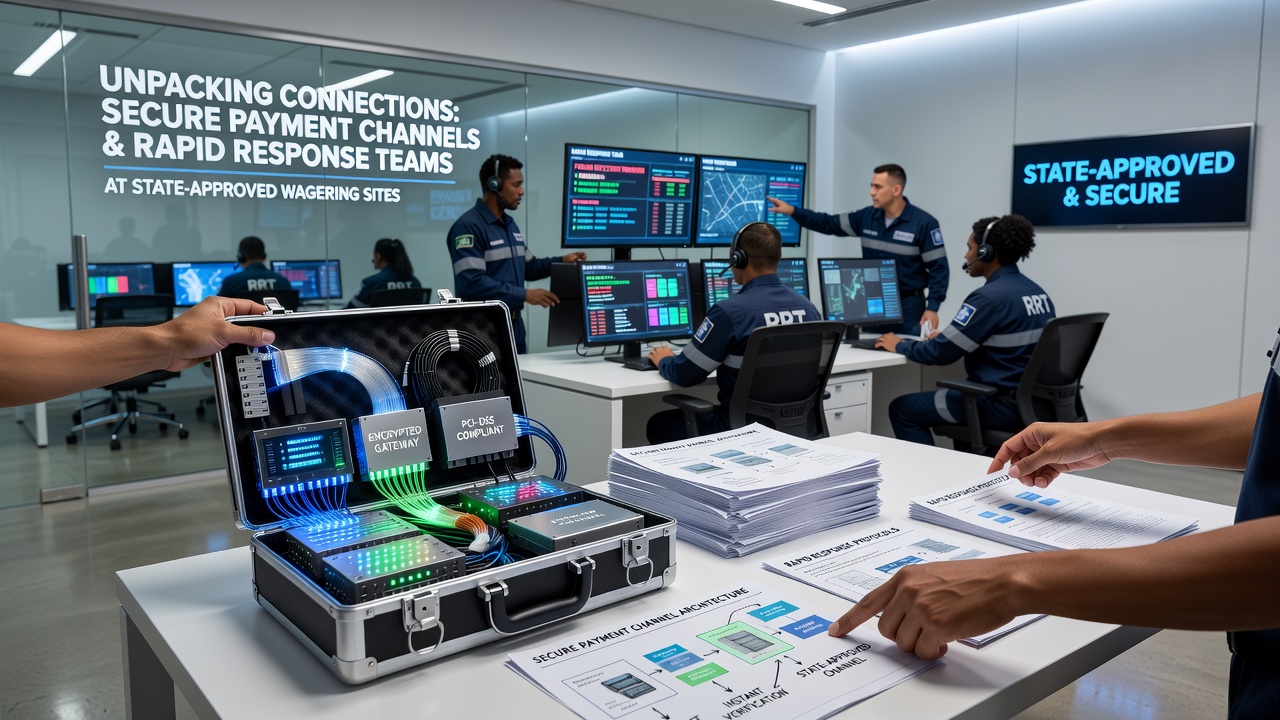
Integrating Secure Payment Channels with Rapid Response Mechanisms in Licensed US Betting Platforms
State-approved wagering sites rely on secure payment channels that encrypt transactions and verify user identities in real time, while rapid response teams handle immediate interventions for fraud alerts, account issues, or compliance checks. These elements connect through automated systems that flag suspicious activity during deposits or withdrawals, prompting teams to act within minutes to prevent losses and maintain regulatory standards. Observers note that such linkages have grown more pronounced as operators expand across multiple jurisdictions.
Payment Security Foundations in Regulated Environments
Secure payment channels at these platforms incorporate tokenization, multi-factor authentication, and blockchain-based verification where permitted by state rules, and data from industry reports shows that these tools reduce unauthorized access attempts by significant margins in 2026. Regulators in states like New Jersey require operators to maintain audit trails for every fund transfer, which creates direct feeds into monitoring dashboards used by support personnel. When anomalies appear, such as unusual withdrawal patterns or mismatched device locations, the system routes details to specialized teams without delay.
Structure and Function of Rapid Response Units
Rapid response teams consist of trained specialists in fraud detection, customer account management, and regulatory compliance who operate around the clock at licensed operators, and figures from state oversight bodies indicate average response times under five minutes for high-priority cases. These groups coordinate with payment processors to freeze or reverse transactions when necessary, while documenting actions for later review by authorities. Teams often draw on real-time data streams from payment gateways, which allows them to address problems like suspected money laundering or technical glitches before they escalate.
Key Connection Points Between Channels and Teams
Automated alerts from payment channels serve as the primary trigger for team activation, since encryption protocols log every attempt and compare it against user history and behavioral models. In practice, a failed verification during a deposit can initiate a chain of events where response personnel contact the account holder, review supporting documents, and restore access if cleared, all while preserving transaction integrity. What's interesting is how these processes align with broader compliance requirements, as operators must demonstrate seamless coordination to retain their licenses. As of November 2026, several states have introduced updated guidelines that explicitly call for tighter integration between payment security logs and support intervention protocols, which has led platforms to invest in unified software platforms that share data across departments.
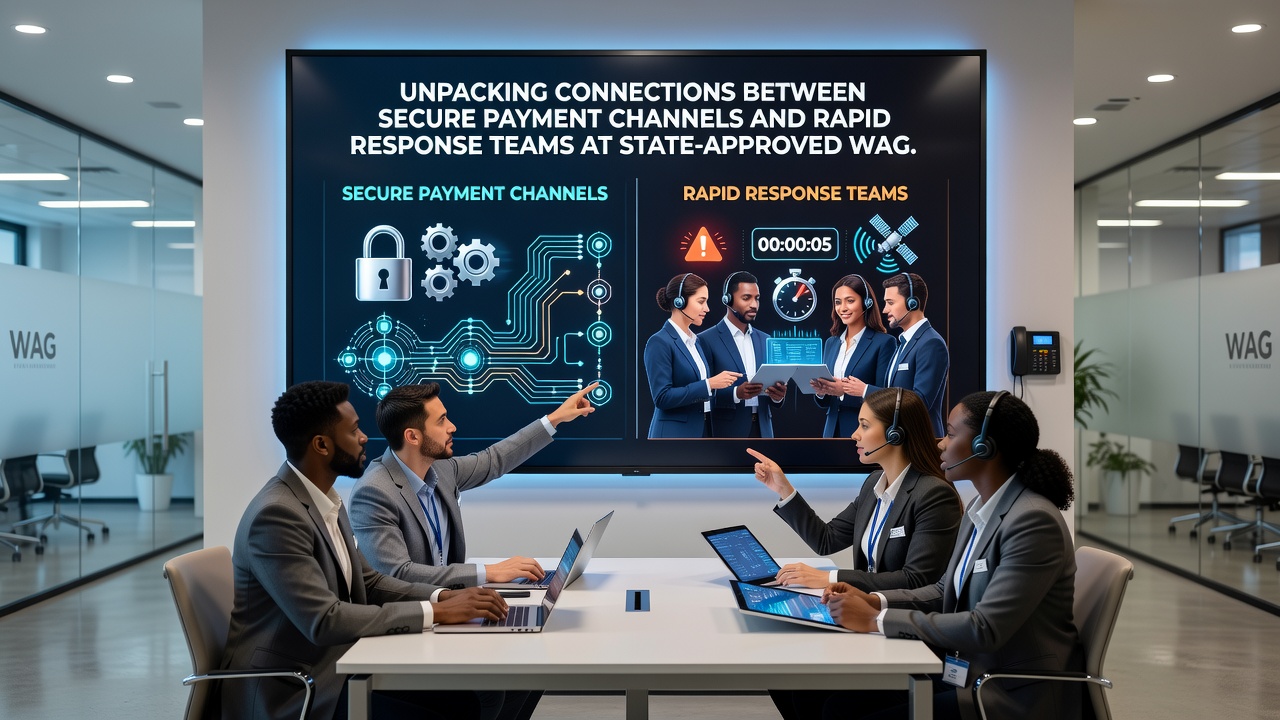
One documented case involves an operator in Pennsylvania where a payment channel detected a series of micro-transactions from a new device, prompting an immediate team review that uncovered account takeover attempts and halted further activity. Such examples illustrate how payment safeguards generate actionable intelligence that teams convert into protective measures, reducing overall risk exposure across the platform. Researchers from academic institutions have examined these workflows and found that integrated systems improve both security outcomes and user retention rates when compared to siloed approaches.
Regulatory and Operational Impacts Observed in 2026
State licensing bodies, including those in Nevada and Michigan, track metrics on payment-related incidents and response effectiveness, with recent summaries showing consistent declines in successful fraud cases where connections between channels and teams are strongest. Operators must report these figures periodically, which encourages ongoing refinements such as enhanced AI monitoring that feeds directly into team queues. External analyses from groups like the American Gaming Association highlight how these operational links support responsible gaming initiatives by enabling faster interventions in cases involving problem gambling indicators tied to rapid fund movements. Another source, a study conducted through the University of Nevada, Las Vegas International Gaming Institute, provides comparative data across jurisdictions that underscores the value of unified protocols.
Platform architecture often includes dedicated APIs that link payment processors to internal ticketing systems used by response teams, ensuring that context from the transaction travels with the alert. This setup allows personnel to prioritize cases based on severity, whether involving large sums or patterns suggestive of organized schemes. Data indicates that platforms with mature integrations handle higher volumes of transactions during peak sports seasons without corresponding rises in unresolved issues.
Conclusion
Secure payment channels and rapid response teams form interdependent components within state-approved wagering operations, where transaction monitoring directly informs intervention strategies and compliance efforts. Ongoing regulatory developments continue to shape these relationships, with operators adapting through technology upgrades and process alignments that prioritize both security and efficiency. Evidence from multiple states demonstrates measurable benefits when these elements operate in coordination, supporting stable growth in the regulated market.