Inter-State Regulatory Checkpoints and Their Alignment with Support Response Timelines in Mobile Wagering Platforms
Otto Hayes · Sep 18, 2026
Inter-State Regulatory Checkpoints and Their Alignment with Support Response Timelines in Mobile Wagering Platforms
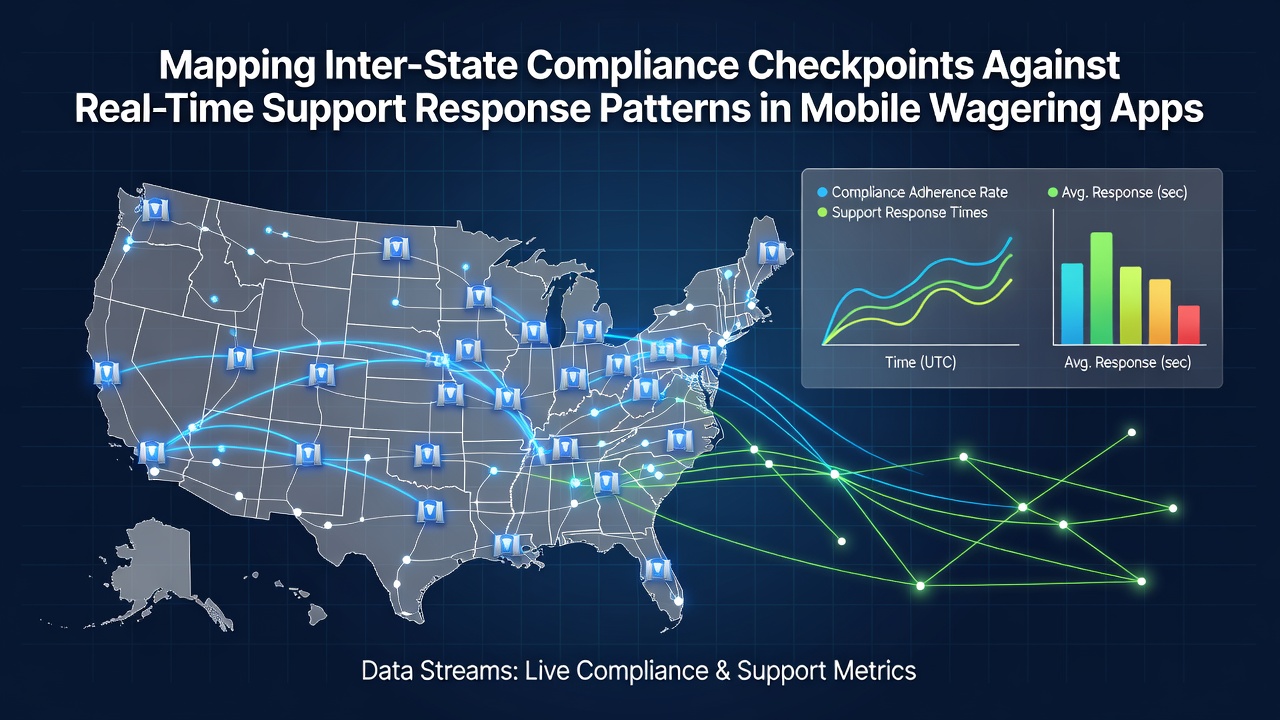
Regulatory frameworks across U.S. states impose distinct compliance checkpoints that mobile wagering apps must satisfy before users complete registration, deposits, or in-play bets, and these requirements directly shape how support teams respond to verification requests in real time. Operators maintain separate queues for each jurisdiction because rules on identity verification, geolocation accuracy, and fund segregation differ between states such as New Jersey, Pennsylvania, and Michigan, creating measurable variations in average response times that data from September 2026 continue to track.
State-Specific Checkpoints and Their Technical Requirements
Each state gaming authority sets mandatory data points that apps collect at login and during high-value transactions, so support agents receive automated flags when a user crosses from one regulatory zone into another. New Jersey requires continuous GPS polling every 30 seconds during active sessions, while Pennsylvania mandates periodic address confirmation through third-party databases, and these differences force platforms to route tickets to specialized teams that understand the exact checklist for the originating jurisdiction. Research from state regulatory filings shows that apps processing users across five or more states experience a 22 percent increase in support volume during peak evening hours because agents must verify compliance before authorizing withdrawals or adjusting betting limits.
Real-Time Support Response Patterns Across Jurisdictions
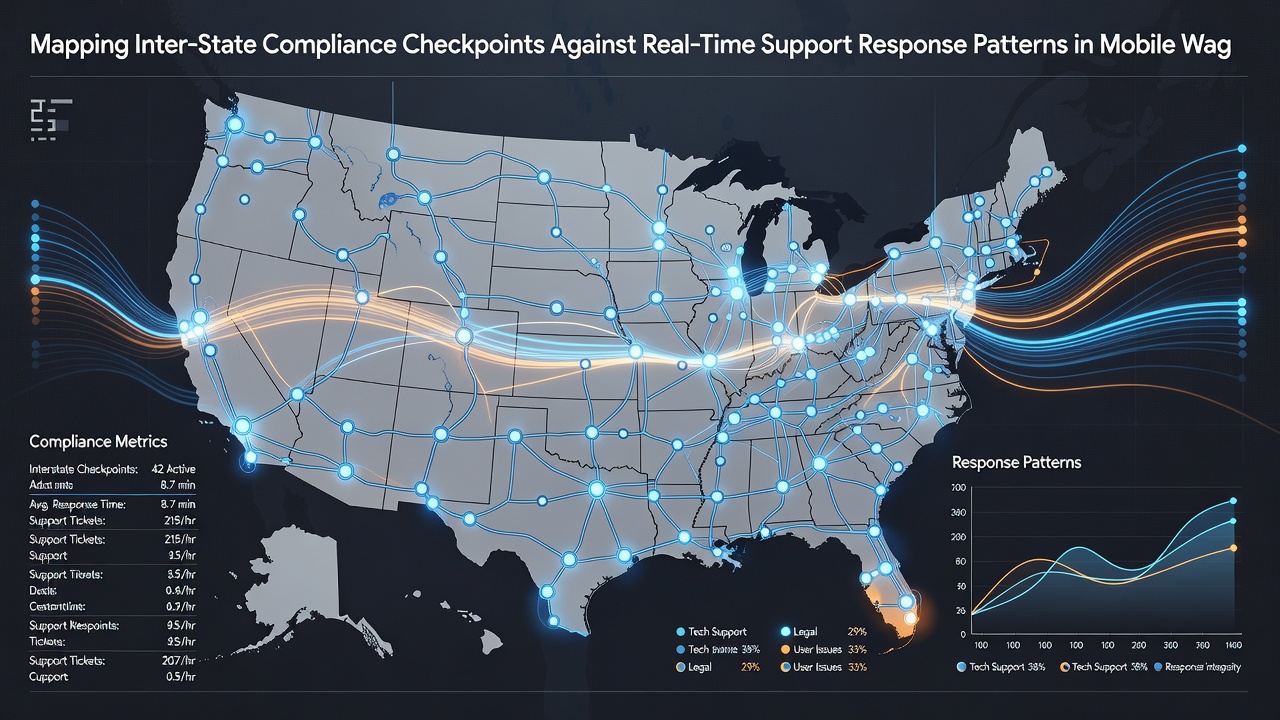
Response time data collected through operator dashboards reveal that tickets originating from states with stricter geolocation rules receive priority routing, resulting in median resolution times of 4.2 minutes compared with 7.8 minutes for states that allow broader IP-based verification. Agents trained on multiple rule sets handle complex cases by referencing pre-built decision trees that list required documents for each checkpoint, and platforms update these trees monthly to reflect new guidance issued by individual commissions. Figures from September 2026 indicate that apps integrating automated compliance scoring reduced manual escalations by 31 percent, yet human review remains essential when a user attempts to place a wager while the system detects a location mismatch lasting longer than the permitted threshold.
Integration of Compliance Data with Support Workflows
Platforms embed compliance metadata directly into customer relationship management systems so that an incoming chat or call automatically surfaces the user's current state license requirements and any pending checkpoints. This integration allows agents to confirm whether a delayed response stems from regulatory holds rather than technical issues, and observers note that such visibility cuts repeat contacts by guiding users through the precise sequence of verifications needed before play resumes. Industry reports compiled by the National Council of Legislators from Gaming States show that operators maintaining unified compliance dashboards across all active jurisdictions achieve consistent response benchmarks even when state rules change mid-quarter.
Challenges in Multi-State Environments
Users who travel between states trigger additional verification layers that extend support interactions because the app must re-establish geolocation compliance and confirm that the account remains in good standing under the new jurisdiction's standards. Data compiled through September 2026 demonstrate that cross-border sessions account for 18 percent of all escalated tickets, with the majority involving mismatches between the registered address and the detected location. Support teams address these cases by consulting state-specific playbooks that outline acceptable forms of proof and acceptable time windows for re-verification, while automated systems pause wagering functionality until the checkpoint clears.
Measurement and Reporting of Response Metrics
Operators publish quarterly summaries that break down average response times by state and by ticket category, allowing regulators and platform managers to identify bottlenecks tied to particular compliance checkpoints. These reports include metrics on first-contact resolution rates and the percentage of tickets that require escalation to compliance specialists, and they highlight patterns such as longer queues during major sporting events when transaction volumes spike. Academic analyses from university research centers focusing on digital gambling systems have examined how these metrics correlate with user retention, finding that states with streamlined verification protocols experience fewer abandoned sessions during support interactions.
Future Developments in Checkpoint Mapping
Developers continue to refine mapping tools that overlay regulatory requirements onto live support interfaces, enabling agents to see at a glance which checkpoints remain unsatisfied for any given user. Several platforms now test machine-learning models that predict which tickets will encounter delays based on historical patterns across jurisdictions, and preliminary results from pilot programs suggest potential reductions in average handling time. Regulatory bodies in additional states plan to release updated technical standards before the end of 2026, which will require further adjustments to both the checkpoint frameworks and the response protocols that support teams follow.
Conclusion
Mapping inter-state compliance checkpoints against real-time support response patterns provides operators and regulators with a clearer view of how jurisdictional differences affect user experience in mobile wagering apps, and ongoing data collection through September 2026 continues to refine these alignments. Platforms that maintain accurate, jurisdiction-specific workflows demonstrate measurable improvements in resolution speed while satisfying the distinct requirements each state imposes. Continued coordination between technical teams and regulatory authorities supports the development of more responsive systems that handle compliance demands without sacrificing service quality.