Payment Verification Snags Disrupting Live Bet Tweaks in Multi-State App Support Systems
Alex Baumann · Oct 30, 2026
Payment Verification Snags Disrupting Live Bet Tweaks in Multi-State App Support Systems
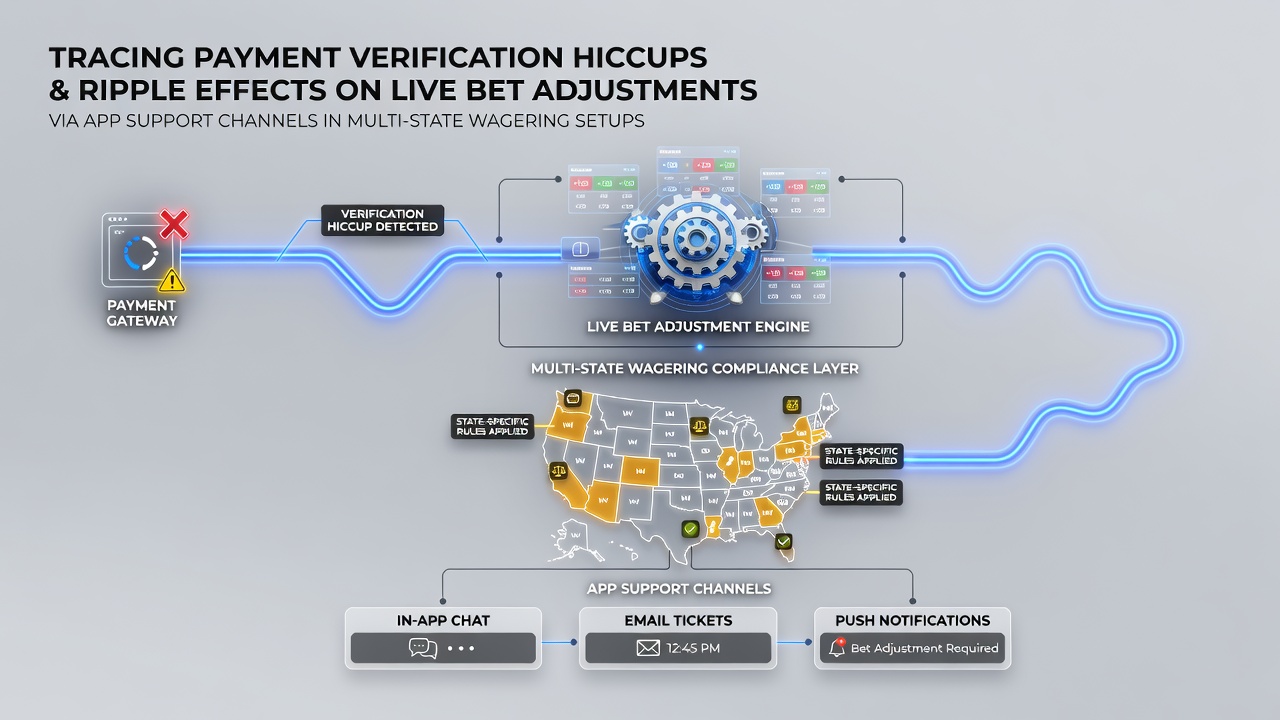
Payment verification hiccups have become a recurring point of friction in multi-state wagering setups where users attempt to adjust live bets through app support channels, and data from regulatory filings shows these delays often cascade into broader operational slowdowns. Observers note that when identity checks or transaction confirmations stall, bettors lose the narrow windows needed for in-play modifications, which forces support teams to handle escalated queries across different state rulesets. Research indicates that platforms operating in multiple jurisdictions must reconcile varying compliance layers, and this adds layers of scrutiny that extend processing times during peak event periods.
Verification Bottlenecks and Their Direct Effects on Live Adjustments
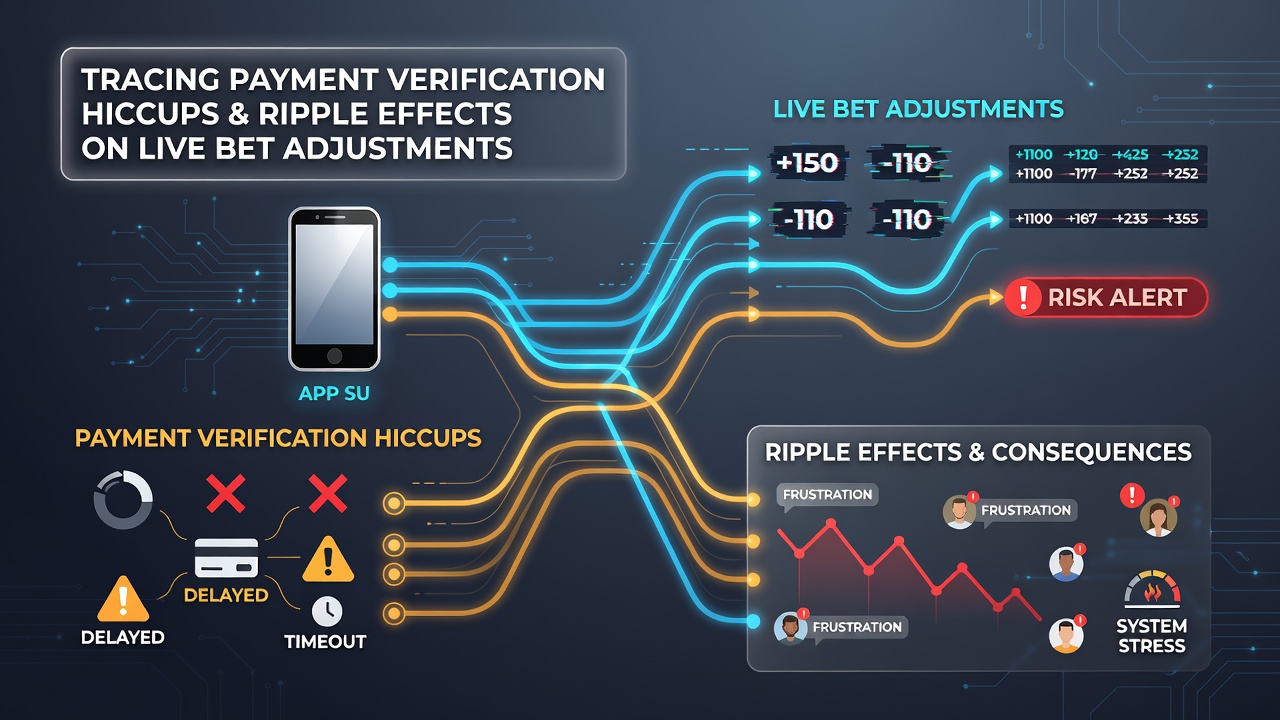
State licensing complexities drive verification bottlenecks in mobile wagering payment systems, and figures from October 2026 reveal that average confirmation times have stretched in several regulated markets. When a payment check fails to clear promptly, live bet adjustments get queued behind manual reviews, which leaves users unable to hedge positions or lock in revised odds before markets shift. Experts have observed that support channels then become the primary workaround, yet response volumes spike because each state imposes distinct documentation thresholds for fund movements. Those who manage multi-state accounts often discover that a single unresolved verification in one jurisdiction blocks actions across connected profiles, and this interconnection turns isolated hiccups into platform-wide ripples.
Support Channel Workflows Under Pressure
App support teams handle verification escalations by routing queries through tiered systems that cross-reference banking details against state-specific databases, but the process stretches when biometric or real-time ID checks encounter mismatches. Data shows that during high-volume events in October 2026, ticket resolution times increased by noticeable margins in states with stricter anti-money laundering overlays. Bettors attempting to alter in-play wagers must wait for agents to confirm that funds remain segregated per jurisdictional requirements, and this pause prevents the seamless drag-and-drop or one-tap adjustments promoted in app interfaces. What's interesting is how third-party data partnerships feed into these workflows, supplying risk signals that sometimes flag legitimate transactions for extra review and further delay live modifications.
Interstate Rule Variations Amplifying Ripple Effects
Regulatory shifts reshaping fund transfer options within multi-jurisdictional betting environments create uneven verification standards that support agents must navigate simultaneously. One case involved a user whose New Jersey account cleared quickly while the Pennsylvania-linked profile required additional bank confirmation, and this mismatch froze live bet adjustments across both until resolution. Industry reports from the American Gaming Association highlight that operators maintain separate ledgers for each state, which means a verification flag in one ledger can trigger holds elsewhere even when the user intends only a minor hedge on a single event. Researchers discovered that these cross-state dependencies intensify during simultaneous sporting calendars, when multiple games demand rapid position tweaks and support queues lengthen accordingly.
Operational Adjustments Operators Have Implemented
Operators have introduced automated retry protocols and prioritized support queues for verification-related live bet requests, yet the underlying data reconciliation across states still creates friction points. According to filings reviewed in October 2026, several major platforms reduced promo offers in affected markets to lower the volume of new accounts requiring immediate verification. This approach frees capacity for existing users who need quick support interventions, and it illustrates how payment hiccups influence broader business decisions beyond individual bet adjustments. Those managing compliance note that clearer communication of expected timelines helps set user expectations, although actual resolution still depends on external banking partners whose response speeds vary by region.
Conclusion
Payment verification challenges continue to shape how live bet adjustments flow through app support channels in multi-state wagering setups, and the ripple effects extend from individual user sessions to operator resource allocation. Data indicates that as platforms refine their interstate compliance layers, the frequency of these disruptions may shift, yet the core tension between rapid in-play modifications and thorough fund checks remains embedded in current regulatory structures. Observers tracking October 2026 trends point to ongoing refinements in support tooling as one area where measurable progress appears, while the fundamental need for coordinated verification across jurisdictions persists as a defining operational reality.