Verification Layers Directing Instant Fund Movements in Multi-State Wagering Systems
Alex Baumann · Oct 16, 2026
Verification Layers Directing Instant Fund Movements in Multi-State Wagering Systems
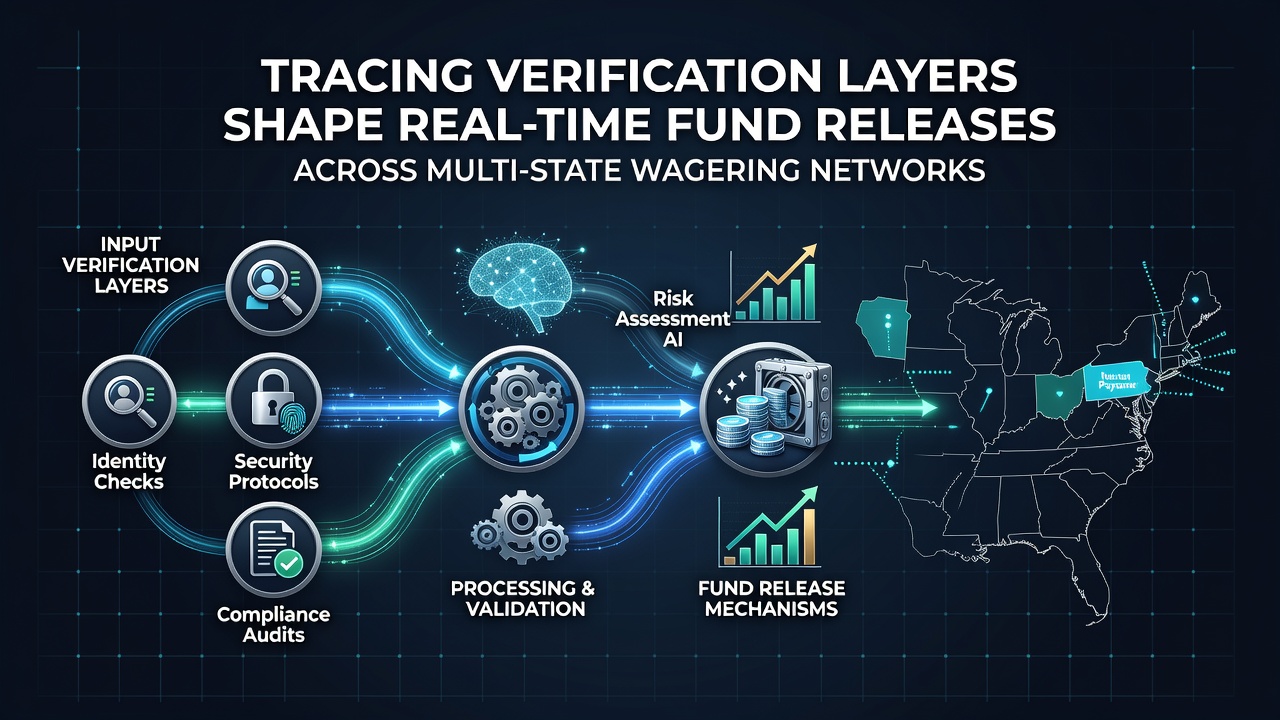
Operators across U.S. sports betting markets maintain several verification layers that determine whether fund releases happen in real time or face delays, and these protocols have grown more intricate as states expand their regulated wagering frameworks through October 2026. Each layer performs distinct checks that connect identity confirmation, transaction monitoring, and jurisdictional compliance before any payout processes forward.
Core Identity and Compliance Stages
Initial account setup requires submission of government-issued identification, proof of address, and social security details, while platforms route this information through third-party services that cross-reference data against state and federal databases; once cleared, the system assigns a verification tier that dictates future transaction speed. Subsequent deposits trigger automated scans for source-of-funds patterns, and any flags route the activity to manual review teams that operate under strict timelines set by individual state regulators.
Biometric elements such as facial recognition or fingerprint matching add another checkpoint during high-value or repeated withdrawal requests, and these tools operate alongside device fingerprinting that tracks location consistency across state lines. Data from the American Gaming Association shows that states with mature licensing programs have reduced average verification completion times from several days to under four hours when all layers align without discrepancies.
Real-Time Monitoring Mechanisms
Transaction monitoring engines analyze betting patterns, deposit velocity, and withdrawal frequency in continuous cycles, and algorithms flag unusual sequences that could indicate money laundering or bonus abuse before funds leave the platform. These engines integrate feeds from multiple state regulatory bodies, which means a single account might satisfy New Jersey requirements yet require additional scrutiny when activity crosses into Pennsylvania or Michigan networks.
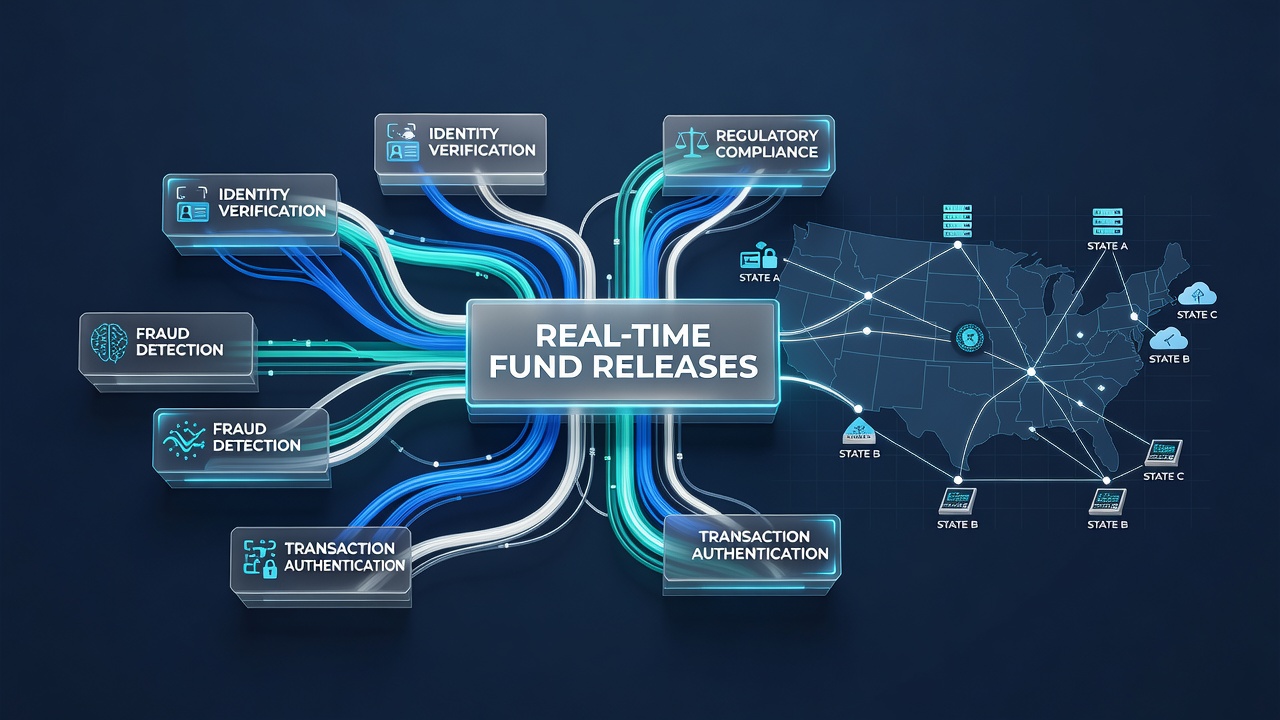
Payment processors maintain separate risk profiles for each wagering jurisdiction, and operators configure their release queues to prioritize accounts that carry full multi-state clearance. Research from the Responsible Gambling Council indicates that layered verification reduces chargeback rates by measurable margins while preserving the instant payout options that many users expect.
Interstate Data Sharing and Bottlenecks
Multi-state networks rely on shared databases that update in near real time, yet differences in state privacy statutes and data retention rules create occasional friction points where one jurisdiction's clearance does not automatically transfer. When such mismatches occur, platforms insert temporary holds that last until the additional verification completes, and users receive notifications explaining the exact layer under review.
October 2026 has seen several operators pilot unified verification passports that allow approved users to move between participating states without repeating full identity checks, and early results suggest these passports cut processing overhead while maintaining each regulator's oversight thresholds. Observers note that the approach requires careful alignment on data security standards, because any breach in one state could affect the entire shared system.
Impact on Payout Timelines
Accounts that pass every layer without interruption receive same-minute or same-hour releases through approved banking rails, whereas partial clearances trigger tiered delays that scale with risk score. Payment method also interacts with verification status, because certain digital wallets accept pre-verified profiles while traditional bank transfers demand fresh confirmation on each large movement.
State regulators continue to refine minimum standards for these layers, and operators adjust internal systems accordingly to avoid license penalties. The result is an evolving framework where verification depth directly shapes whether fund releases remain truly instantaneous or encounter controlled pauses.
Conclusion
Verification layers across multi-state wagering networks form an interconnected sequence that balances regulatory compliance with user expectations for speed. Each added checkpoint contributes to the overall integrity of real-time fund releases, and ongoing adjustments in October 2026 reflect continued efforts to streamline processes without compromising oversight.